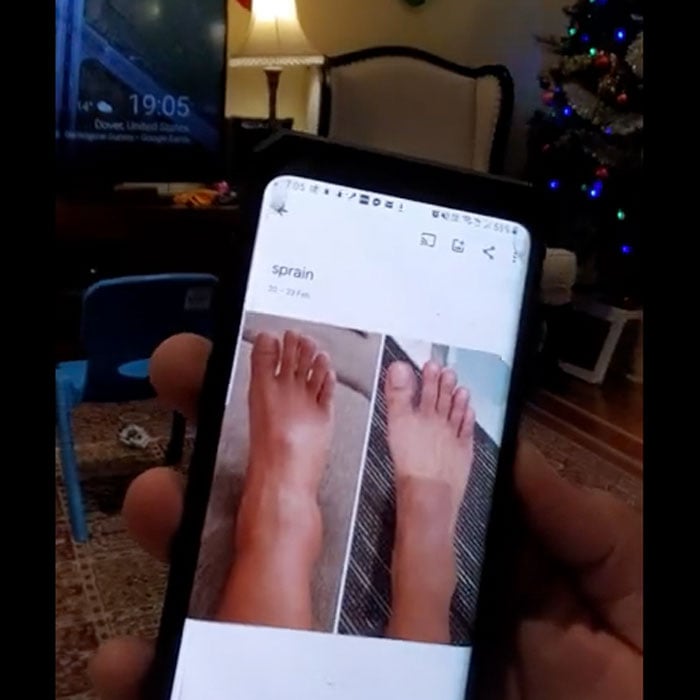
A sprained ankle is not just a common injury; it’s an unpredictable one. For athletes and active individuals alike, recognizing the severity of an ankle sprain is crucial for effective treatment and swift recovery. Sprained ankle grades provide us with a framework for understanding these injuries. But how do you determine if you’re dealing with a Grade 1, Grade 2, or even a more severe Grade 3 sprain? Let’s delve into the signs and symptoms to understand what each grade entails and how the HEM Ankle Rehab system can offer a pathway to a much faster and better recovery from home.
Grade 1 Ankle Sprain: The Mild Misstep
Often described as a slight overstretching or minor tearing of the ligaments, a Grade 1 ankle sprain is the mildest form but not to be taken lightly. Symptoms are often subtle and may include:
- Mild pain and swelling
- Slight tenderness when touching the ankle
- Minimal bruising or discoloration
- Full or almost full range of motion
What does a Grade 1 ankle sprain feel like? It’s akin to discomfort rather than incapacitation. You might feel a twinge or tightness in the ankle, coupled with slight swelling that doesn’t markedly affect your gait. Walking is generally possible without significant pain, prompting many to continue their daily activities, sometimes at the risk of neglecting proper care. For a detailed look at managing a Grade 1 sprain and avoiding common pitfalls during recovery, check out this comprehensive guide on Grade 1 ankle sprains.
Grade 2 Ankle Sprain: The Troublesome Twist
This moderate sprain involves a more significant but incomplete tear of the ligaments. The symptoms are more pronounced and include:
- Moderate to severe pain
- Noticeable swelling
- Bruising and discoloration
- Difficulty bearing weight and walking
- A decreased range of motion
What does a Grade 2 ankle sprain look like? Expect more swelling and bruising compared to Grade 1. The area around the ankle may display various shades of blue, purple, or even green as it heals. Can you walk on a Grade 2 ankle sprain? Caution is key. Some may attempt to walk, but it’s often accompanied by pain and a limp. It’s crucial to avoid further injury by considering supportive measures such as bracing or using crutches. For visual symptoms and expert advice on rehabilitation, explore the insights provided here: Grade 2 ankle sprain.
Grade 3 Ankle Sprain: The Severe Stretch
A Grade 3 sprain is the most severe, involving a full tear or rupture of the ligaments. This level of injury requires immediate medical attention, with symptoms that are hard to ignore:
- Intense pain initially, which may subside if nerves are damaged
- Significant swelling that persists
- Substantial bruising across the ankle and possibly the foot
- Complete instability of the ankle joint
- Inability to bear weight or walk
What does a Grade 3 ankle sprain feel like? It’s often described as a sharp and intense burst of pain followed by a feeling of looseness in the joint as if the ankle can’t support any weight. The road to recovery can be longer and typically requires immobilization or even surgery. Detailed care strategies for a Grade 3 sprain can be found at this resourceful link: Grade 3 ankle sprain.
Rehabilitation and Recovery: The Role of HEM Ankle Rehab
Regardless of the grade, proper rehabilitation is vital. Without proper rehab, your ankle can take weeks, months or even years to heal. And even then, the ankle typically stays weak and unstable, requiring ankle braces and other support. In addition, the ankle stays at a very HIGH risk of re-injury. And the worst part, every time you injure that ankle again, it only gets weaker and MORE unstable over time.
Proper rehabilitation is essential for all grades of ankle sprains to prevent chronic instability and recurring injuries.
HEM Ankle Rehab offers a comprehensive approach to accelerate healing and ensure a return to full function. HEM is designed to reduce recovery time significantly, prevent chronic pain and instability, and strengthen the muscles around the ankle.
How HEM Ankle Rehab Helps You Heal a Sprained Ankle Faster
HEM Ankle Rehab helps heal a sprained ankle faster and more effectively by using a movement-based recovery approach instead of outdated methods like R.I.C.E. (Rest, Ice, Compression, Elevation). Here’s how it works:
1. Encourages Active Healing Instead of Rest
- Traditional methods like R.I.C.E. focus too much on immobilization, which can slow down recovery.
- HEM Ankle Rehab promotes gentle movement from the start, which improves blood flow and delivers essential nutrients to the injured area, speeding up the healing process.
2. Restores Full Ankle Mobility
- One of the biggest risks after a sprained ankle is stiffness and limited range of motion.
- HEM includes targeted mobility exercises that help restore natural movement in the ankle, reducing long-term stiffness and improving flexibility.
3. Strengthens Ligaments and Muscles
- Weak ankles are more prone to re-injury.
- HEM focuses on progressive strengthening exercises that rebuild the ligaments and surrounding muscles to support the ankle properly.
- This prevents chronic instability and future sprains.
4. Improves Balance and Proprioception
- A major issue after an ankle sprain is poor balance and reduced proprioception (body awareness).
- HEM includes balance and stability exercises that retrain the ankle to respond properly to movement, reducing the risk of future injuries.
5. Uses Soft Tissue Therapy for Faster Recovery
- Scar tissue buildup can slow healing and lead to chronic pain.
- HEM incorporates soft tissue therapy techniques to break down scar tissue, improve circulation, and reduce inflammation naturally.
6. Speeds Up Recovery Without Ice or Compression
- Ice and compression can limit blood flow, which slows down the body’s natural healing process.
- HEM’s approach prioritizes active movement and circulation, helping the ligaments heal faster and stronger.
7. Can Be Done at Home with No Special Equipment
- HEM is an easy-to-follow rehab program that doesn’t require expensive treatments or medical visits.
- The exercises can be done at home, making it a convenient and cost-effective way to heal properly.
By following HEM Ankle Rehab, most people experience significantly faster healing, reduced swelling and pain, and stronger, healthier ankles—all without the drawbacks of traditional methods.
For more information, check out HEM Ankle Rehab here.