If you are reading this, chances are you recently stepped off a curb wrong, landed awkwardly during a game, or simply rolled your foot on uneven ground. Now, you’re staring down at a swollen, throbbing foot, wondering: “Which ankle injury do I actually have? Is it a sprain, a fracture, or something worse?”
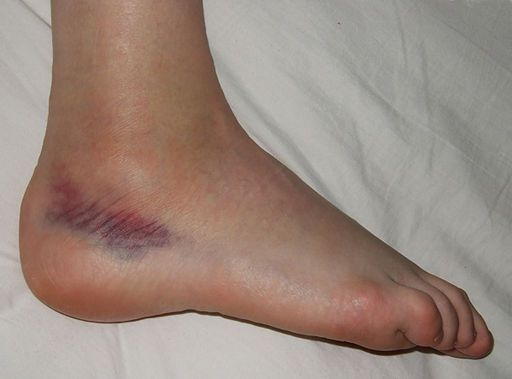
Understanding a fresh ankle injury can be terrifying and confusing. You want the pain to stop, the swelling to go down, and your normal life to resume as quickly as possible. For decades, the standard advice was to pop an ice pack on it, wrap it tightly, and stay off your feet for weeks. But if you want to heal quickly and properly, you need to leave that outdated advice in the past.
In this comprehensive guide, we are going to help you identify exactly what might be happening with your ankle. More importantly, using the latest 2026 sports medicine science, we’ll show you why active rehabilitation—not endless bracing or doing nothing—is the smartest, fastest, and safest path to getting back on your feet.
The Problem: Identifying Your Ankle Injury
Before we can talk about healing, we need to figure out what type of damage has occurred. Ankle injuries range from mild ligament stretches to severe bone breaks. Here are the most common injuries you’ll likely be deciding between:
- Lateral Ankle Sprain: This is by far the most common type of ankle injury. It happens when your foot rolls inward (inversion), stretching the ligaments on the outside of your ankle.
- Medial Ankle Sprain: This occurs when your foot rolls outward (eversion), placing stress on the inside of your ankle.
- High Ankle Sprain: This affects the ligaments above the ankle joint. It is usually caused by rotational impact and takes longer to heal.
- Ankle Fracture (Broken Ankle): This means one or more bones in the ankle joint have cracked. Intense pain and an inability to bear weight are classic hallmarks.
How to Tell a Sprain from a Fracture: Practical Signs
No single search can guarantee a medical diagnosis, but certain patterns can help you decide. For a deeper dive into these differences, see our guide on Ankle Sprain vs. Break.
- Severe deformity: This is a clear fracture. Seek immediate medical attention.
- Point tenderness on the bone: If pressing on the hard ankle bone causes sharp pain, it raises a suspicion for a fracture.
- Inability to bear weight: If taking steps is impossible immediately after the injury, get evaluated.
The 2026 Science of Recovery: Why R.I.C.E. is Dead
As we navigate the sports medicine landscape of 2026, the scientific community has abandoned the R.I.C.E. method. Evidence proves that using ice and complete rest actively delays the healing process.
Icing constricts your blood vessels, blocking the “repair crew” of immune cells your body sends to fix the damage. For a complete breakdown of the science behind this shift, read our article: Should You Rest and Ice a Sprained Ankle?
The Dangers of “Resting It” and Ankle Braces
It’s tempting to baby an injured ankle, but prolonged rest and over-reliance on braces are two of the worst things you can do.
Here is what happens when you rest too long:
- Joint Stiffness: Without movement, the fluids in your joint thicken.
- Scar Tissue Buildup: Movement is required to align new fibers; otherwise, scar tissue becomes rigid and brittle.
- Muscle Atrophy: Muscles weaken incredibly fast when not in use.
The Ankle Brace Trap
Wearing a rigid brace acts as an artificial crutch. If a brace is doing the heavy lifting, your brain stops sending signals to your stabilizing muscles, leading to permanent weakness. You can learn more about why we recommend avoiding these supports here: Why Ankle Braces Actually Make Your Ankles Weaker.
⚠️ Warning: What Happens if You Neglect Your Injury
Ignoring an injury or assuming “time heals all wounds” is a gamble. Failing to actively rehabilitate can lead to Chronic Ankle Instability (CAI). People with CAI suffer from ankles that constantly “give out,” which can eventually accelerate early-onset osteoarthritis.
The Solution: Active, Functional Rehab
Healing an ankle isn’t about passively waiting; it’s about active retraining. Active functional rehab focuses on increasing blood flow, gently restoring range of motion, and rebuilding the neuromuscular connection between your brain and your foot.
Main Benefits of Active Rehab
- Faster Recovery: Naturally flushes out swelling through movement.
- Reduced Re-injury Risk: Builds a more resilient joint.
- Restores Balance: Retrains your proprioception so you don’t roll the ankle again.
How to Rehab Your Ankle Injury at Home
You don’t need expensive equipment to fix your injury. A proper program involves gentle mobility (like alphabet drills), targeted strengthening of the peroneals, and balance work to wake up your nervous system. For a step-by-step walkthrough, check out our guide on How to Heal an Inversion Ankle Sprain.
HEM Ankle Rehab: Your Premier At-Home Solution
If you want an evidence-based approach that takes all the guesswork out of your recovery, you need HEM Ankle Rehab. It is the premier at-home treatment system designed to bypass the outdated “ice and rest” trap and focus on safe, progressive movement.
People Also Ask (FAQ)
How long does an ankle injury take to heal?
Recovery time depends on severity. A mild Grade 1 sprain can feel better in days with active rehab, while a severe sprain may take weeks. For a detailed timeline, see our guide on Ankle Sprain Recovery Time.
Is it okay to walk on a sprained ankle?
Yes, provided a doctor has ruled out a fracture. Modern rehab encourages weight-bearing as dictated by your pain tolerance to stimulate the healing process.
Quick Takeaways: Your Next Steps
- Assess Severity: Rule out a fracture if you have severe deformity or point tenderness.
- Ditch the Ice: Stop restricting your blood flow and start moving.
- Start Active Rehab: Focus on early mobility, strength, and balance training.
- Follow a Proven System: Utilize a structured home program like HEM Ankle Rehab to ensure a safe recovery.