If you’ve recently suffered a sprained ankle, your first instinct was probably to reach for an ankle brace, some athletic tape, or a tight compression wrap. It makes sense, right? You want to protect the joint, stop the movement, and feel “secure.”But here’s the reality that sports medicine in 2026 is finally shouting from the rooftops: Ankle braces are often a band-aid that leads to a much bigger problem.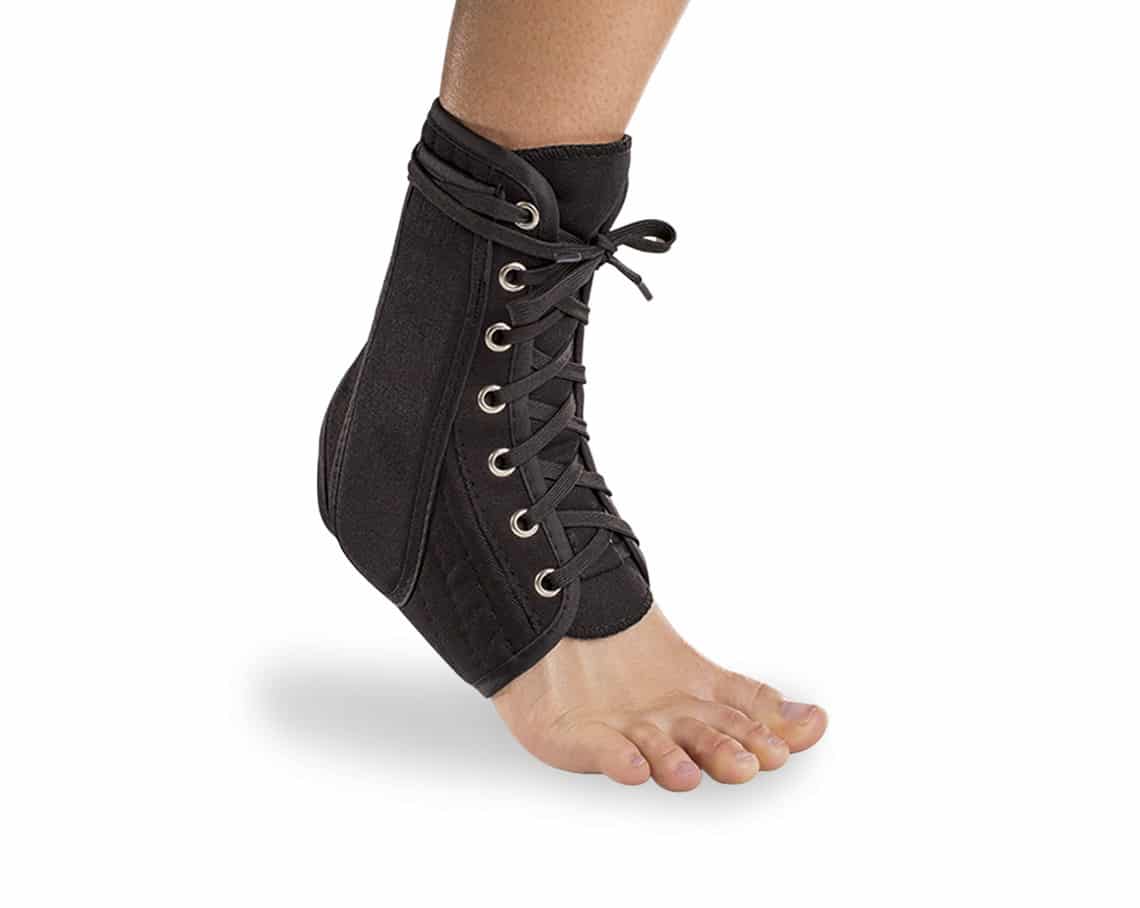 While they offer a temporary sense of security, relying on ankle braces, wraps, or tape can actually trap you in a cycle of chronic instability. By “protecting” the ankle from movement, you are inadvertently teaching your muscles to shut down and your ligaments to become brittle. At HEM Ankle Rehab, we’ve seen thousands of people who “always wear a brace” yet continue to roll their ankles. In this guide, we’re going to look at the modern science of why immobilization fails and how functional, active rehab is the only way to truly bulletproof your body.
The Problem: The “Crutch” Mentality of Ankle Braces
The ankle is one of the most complex, mobile joints in the human body. It is designed to hinge, glide, and rotate to absorb the impact of every step you take. When you slap on a rigid ankle brace, you are effectively turning a high-performance hinge into a frozen block of wood.Think of it like putting your arm in a cast. If you leave a healthy arm in a cast for six weeks, what happens? The muscles wither away (atrophy), the skin gets sensitive, and the joint becomes incredibly stiff. An ankle brace does the exact same thing on a smaller, more insidious scale. It creates learned weakness. Your brain realizes the brace is doing the work, so it stops sending the necessary signals to your stabilizing muscles to stay active and alert.
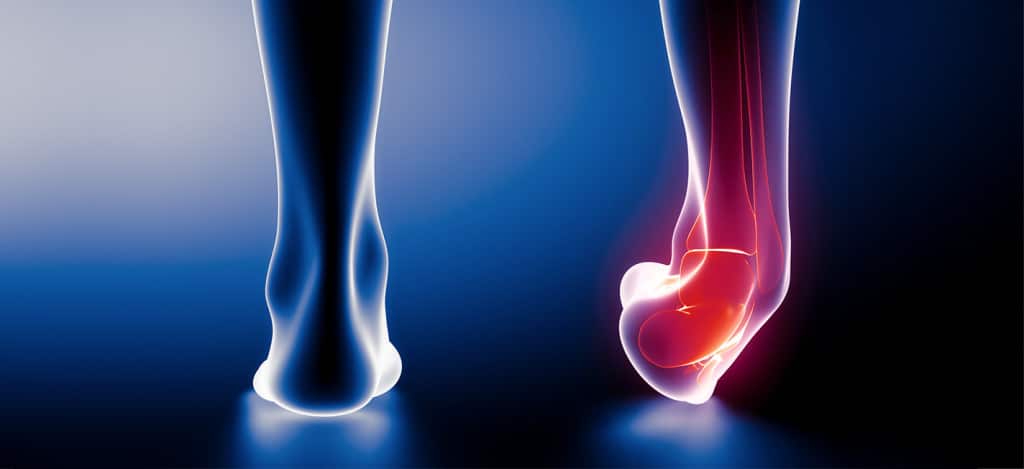
The Risks of Relying on Braces and Tape
- Muscle Atrophy: The peroneal muscles—the ones on the side of your leg that prevent you from rolling your ankle—become “lazy” and weak.
- Permanent Instability: Without the muscles doing their job, you become 100% dependent on the brace. The second you take it off, your risk of a re-injury skyrockets.
- Decreased Proprioception: This is your body’s “sixth sense”—the ability to know where your foot is in space. Braces dull this sense, making you more clumsy and prone to trips.
- Upstream Injuries: When the ankle can’t move, the force of your foot striking the ground has to go somewhere. Usually, it travels straight up to your knees and lower back, causing “mystery” pains that actually started at your ankle.
Modern Science: Why 2026 Has Moved Beyond the “Brace”
The days of “wrap it and rest it” are over. Current research shows that the most effective way to heal a ligament and restore a joint is through Optimal Loading. Here are three expert insights backed by the latest clinical data:
Expert Insight 1: The Failure of Long-Term ImmobilizationA study published in the Journal of Athletic Training found that athletes who used functional, early-mobilization protocols returned to sport 20% faster and with significantly less “subjective instability” than those who relied on rigid bracing and rest. The study highlights that movement is essential for the proper alignment of new collagen fibers in a healing ligament. Read the JAT research here.
Expert Insight 2: Neuromuscular InhibitionAccording to research found on PubMed, external supports like ankle tape and braces can cause “arthrogenic muscle inhibition.” This is a process where the joint sends signals to the brain to shut down the surrounding muscles to prevent movement. While this protects a fresh injury for the first 24 hours, continuing it beyond that leads to chronic weak ankles. Explore the study on muscle inhibition.
**Expert Insight 3: Movement as Medicine (Mechanotransduction)**The British Journal of Sports Medicine (BJSM) has moved away from the R.I.C.E. method in favor of protocols that emphasize “Optimal Loading.” They found that mechanical stress (gentle movement) actually triggers cellular repair at the site of the injury, whereas total rest leads to scar tissue that is 30% weaker than original tissue. See the BJSM study on Optimal Loading.
Warning: What Happens If You Neglect Your Recovery?
Many people think that if they just wear a brace for a few months, the injury will “fix itself.” Unfortunately, the body doesn’t work that way. If you neglect an active rehab program and rely on braces, you are setting yourself up for:
- Chronic Ankle Instability (CAI): This is the feeling that your ankle is “giving way” during normal walking.
- Scar Tissue Build-up: Without movement, the “glue” your body uses to fix ligaments becomes a tangled, painful mess that restricts your range of motion forever.
- Early Onset Arthritis: Improperly healed ankles don’t “track” correctly in the joint, leading to bone-on-bone friction and premature wear and tear.

Main Benefits of Active, Functional Rehab
When you ditch the brace and start a program like HEM Ankle Rehab, you aren’t just “getting better”—you are rebuilding a more resilient version of yourself. The benefits include:
- Full Range of Motion: No more stiff ankles that prevent you from squatting or running naturally.
- Natural Strength: Your muscles become the “brace,” protecting you 24/7, whether you’re wearing shoes or walking barefoot on the beach.
- Faster Healing: By increasing blood flow (which icing and compression actually stop), you provide your ligaments with the nutrients they need to repair in record time.
- Confidence: The mental freedom of knowing your ankle won’t “snap” the moment you step on a piece of uneven grass.
The Solution: HEM Ankle Rehab
We know that the idea of moving a bruised ankle can be scary. That’s why we created a system that is gentle, safe, and incredibly effective.HEM Ankle Rehab is an at-home program designed to heal any new or old ankle injury by working with your body’s biology instead of against it. We don’t believe in the old R.I.C.E. method because we’ve seen how it fails. Instead, our system focuses on:
- Hydrotherapy: Using specific temperature techniques to boost blood flow and naturally reduce swelling without the damage caused by ice.
- Exercise: Targeted, gentle movements that re-establish your range of motion and “wake up” your stabilizing muscles.
- Massage: Specialized soft-tissue techniques to ensure scar tissue forms in a healthy, organized way rather than a stiff lump.
By following the HEM system, you aren’t just hiding the pain behind a plastic brace; you are performing a sprained ankle treatment that addresses the root cause of the injury. Whether you have a fresh sprain or “weak ankles” that have bothered you for years, this is the path back to full health.
How-To: Transitioning Away from Ankle Braces
If you’ve been “addicted” to your brace, you can’t just throw it away overnight. Here is how to safely reclaim your independence:
Phase 1: The Safety Check
Begin doing the HEM exercises while still wearing your brace during high-risk activities. This allows you to build the “internal strength” while you still have the “external support.”
Phase 2: Weaning Off
Start removing the brace for low-impact activities. Walk around your house barefoot. Stand on one leg while you brush your teeth. These small moments are neuromuscular gold—they tell your brain that it’s time to take the wheel again.
Phase 3: The Functional Test
Once you can complete the full HEM Ankle Rehab program without pain, you can begin to phase out the brace during sports. Start with 15 minutes of braced play, then 15 minutes without, gradually increasing your “unbraced” time.
People Also Ask (FAQs)
Is it better to wrap or brace a sprained ankle?
In the first 24 hours, a very light wrap can help with extreme swelling, but a brace is rarely the answer. Both should be used only as a temporary safety measure. The “better” option is always early, controlled movement to prevent stiffness.
Can an ankle brace cause more damage?
Indirectly, yes. By causing muscle atrophy and reducing your joint’s ability to absorb shock, a brace can lead to stress fractures, knee injuries, and chronic instability that lasts much longer than the original sprain.
Should I sleep with an ankle brace on?
Generally, no. Your body needs to move naturally during sleep to keep blood flowing. Unless specifically directed by a surgeon after a major procedure, your ankle should be free to move while you rest to prevent morning stiffness.
What is the fastest way to strengthen weak ankles?
The fastest way is a combination of proprioceptive training (balance work) and eccentric loading. Using a systematic program like HEM Ankle Rehab ensures you are hitting all the necessary components of recovery in the right order.
The Bottom Line
An ankle brace is a tool, but it shouldn’t be your life. Don’t let a temporary injury turn into a permanent disability because you were told to “ice it and wear a brace.”In 2026, we have the tools and the science to heal faster and stronger than ever before. It starts with movement. It starts with active rehab. And it starts with trusting your body’s incredible ability to heal itself when given the right environment.Ready to ditch the brace for good? Join the HEM Ankle Rehab program today and get back on your feet—permanently.