Walking is arguably the most perfect form of exercise we have. It’s accessible, low-impact, and therapeutic. But for those of us living with what feels like “glass ankles,” a simple stroll through the park can feel like navigating a minefield. One uneven patch of grass or a slightly high curb, and—pop—there goes the ankle again.
If you’ve been reaching for the thickest, softest walking shoes you can find to protect your joints, you might be surprised to learn that you could be making the problem worse. In the quest for comfort, many people accidentally sacrifice the one thing their ankles actually need: stability.

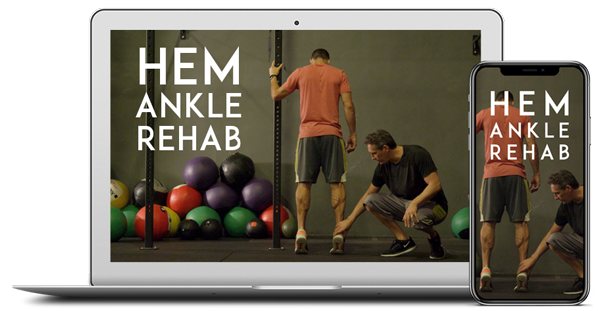
In this guide, we’re going to break down the science of choosing the right walking shoes for unstable ankles, debunk the outdated “rest and ice” myths, and show you why a structured, active rehabilitation program like HEM Ankle Rehab is the only way to turn your weak foundation into a tower of strength.
The Stability Trap: Why “Cloud-Like” Cushioning Isn’t Always Better
It’s the most common mistake in the shoe store. You press your thumb into the sole of a shoe, feel it squish like a marshmallow, and think, “My feet will love this!”
However, for an unstable ankle, excessive cushioning is like trying to walk on a waterbed. It feels great for the first five minutes, but it provides zero feedback to your brain about where your foot is in space. This “neuromuscular feedback” is what tells your muscles to fire and stabilize the joint before it rolls. When the ground feels mushy, your brain gets confused, and your risk of a sprain actually increases.
How to Choose the Right Walking Shoes (The “Twist Test”)
When you are shopping for your next pair of shoes, stop looking at the colors and start looking at the construction. Here is a simple “How-to” checklist for testing a shoe’s integrity:
- The Heel Counter Pinch: Squeeze the back of the shoe (where your heel sits). It should be firm and rigid. If it collapses easily under your fingers, it won’t provide enough lateral support to prevent a roll.
- The Torsional Rigidity Test: Grab the shoe by the toe and the heel and try to twist it like a wet towel. A high-quality walking shoe should resist this twisting. If it folds in half or twists effortlessly, it’s too flimsy for weak ankles.
- The Flex Point Check: A shoe should only bend where your foot naturally bends—at the ball of the foot. If the shoe bends in the middle (the arch), it’s lacking the structural support needed for a healthy gait.
Top Podiatrist-Recommended Walking Shoes for 2026
Modern sports medicine has moved toward “motion control” and “stability” categories for those with chronic instability. According to recent footwear systematic reviews in PMC, certain shoe designs can significantly improve balance and gait parameters in those with previous injuries. Here are the top contenders:
1. Brooks Addiction Walker 2
This isn’t just a shoe; it’s a support system. It features an “Extended Progressive Diagonal Rollbar” that guides your body back into its natural motion path. It’s perfect for those who overpronate (foot rolls inward) and need maximum stability.
2. New Balance 928v3
A staple in podiatry offices, the 928v3 uses “ROLLBAR” technology to reduce rear-foot movement. If you feel like your heel “wobbles” inside your shoe, this is your solution. It’s also deep enough to accommodate custom orthotics if you use them.
3. Hoka One One Bondi SR
While Hoka is famous for maximal cushioning, the “SR” version is designed for stability and slip resistance. It offers a wide base—think of it like the wide tires on a luxury car—which provides a more stable platform for every step.
The Science Shift: Why Everything You Knew About R.I.C.E. is Dead
For decades, the advice for a twisted ankle was simple: R.I.C.E. (Rest, Ice, Compression, Elevation). But the medical world has undergone a massive paradigm shift. High-authority journals like the British Journal of Sports Medicine (BJSM) have replaced R.I.C.E. with PEACE & LOVE.
Wait, why no ice? Modern science shows that inflammation is actually the starting gun for healing. When you apply ice, you constrict blood vessels and stop the body’s natural “clean-up crew” from reaching the injury. While it might numb the pain, it actually delays the long-term repair of the ligaments.
Furthermore, Rest is now seen as a major culprit in chronic ankle instability. When you rest for too long, your muscles begin to atrophy, and your joint becomes stiff. This stiffness creates a permanent “glitch” in your body’s GPS system (proprioception), leaving you more prone to the next roll.
Warning: The Hidden Cost of “The Big Rest” and Braces
If you decide to “just take it easy” and wrap your ankle in a bulky brace for weeks, you are entering a dangerous cycle of learned weakness.
- Scar Tissue Build-up: Without gentle, active movement, the body lays down collagen fibers in a messy “bird’s nest” pattern. This results in thick, painful scar tissue that restricts your range of motion.
- Muscle Atrophy: Your peroneal muscles (the ones on the side of your leg that prevent a roll) can begin to shrink in as little as 48 hours of total inactivity.
- Brace Addiction: Relying on ankle braces tells your brain that the muscles don’t need to work. Eventually, you become 100% dependent on the brace, and the second you take it off, your ankle gives way because the internal “natural brace” has withered away.
The Solution: Active, Functional Rehab
The secret to never needing an ankle brace again isn’t found in a shoe store—it’s found in Active Rehab. Movement is medicine. By introducing “Optimal Loading” early in the recovery process, you stimulate the cells to build stronger, more resilient tissue.
This is exactly why HEM Ankle Rehab is considered the gold standard for at-home recovery. It focuses on the three pillars of a bulletproof ankle:
- Mobility: Breaking up restrictive scar tissue and restoring the natural “glide” of the joint.
- Strength: Rebuilding the stabilizers that act as your body’s internal support system.
- Proprioception: Re-training the brain-to-ankle connection so your body reacts before you roll.
Main Benefits of Active Ankle Rehab
- Permanent Stability: You won’t just “feel better”; your ankles will actually be stronger than they were before the injury.
- Speed of Recovery: Research shows that early mobilization leads to a significantly faster return to walking and sports compared to R.I.C.E.
- Joint Longevity: Proper rehab reduces the risk of early-onset arthritis caused by an unstable, “wobbly” joint.
- Brace-Free Freedom: Imagine being able to walk on sand, grass, or cobblestones without a single second of worry.
How to Rebuild Your Foundation (Quick Tips)
While the right shoes are a great tool, they are only half the battle. To truly fix the problem, you need to incorporate simple functional movements into your daily life. For example, learning how to do calf raises properly is a fundamental skill that every person with weak ankles should master. It builds the primary “gas pedal” and “brake” system of the foot, ensuring you have the power to stay upright when things get shaky.
People Also Ask (FAQ)
Is it okay to wear running shoes for walking?
Yes, but be careful. Running shoes are designed for forward-only motion and high impact. They often have a higher “heel drop” and more squishy cushion. If you have weak ankles, look for “Stability” or “Motion Control” running shoes rather than “Neutral” ones.
Are Skechers good for walking shoes?
Skechers are incredibly comfortable for “shop-floor” walking, but many of their models are too flexible for people with chronic sprains. If you choose Skechers, ensure the model has a firm heel counter and doesn’t bend in the middle of the arch.
How do I know if my ankles are actually “weak”?
Try the “Single Leg Stance” test. Stand on one foot with your eyes closed. If you can’t stay balanced for at least 15 seconds without your ankle “dancing” or your foot touching the ground, you have a proprioception deficit that needs active rehab.
Will walking in the wrong shoes cause permanent damage?
It won’t necessarily cause permanent damage overnight, but it creates a “compensation pattern.” Your knees and hips will start doing the work your ankles can’t do, which often leads to mysterious hip or lower back pain.
Final Thoughts: Your Foundation Matters
Finding the right pair of walking shoes is an investment in your independence. But remember, a shoe is just a piece of equipment. To truly stop the cycle of sprains and pain, you have to address the “software” (your nervous system) and the “hardware” (your ligaments and muscles).
Stop treating your ankles like a problem to be hidden away in a brace. Start treating them like a foundation to be rebuilt. With the right shoes and a commitment to HEM Ankle Rehab, you can get back on the path to pain-free walking today.
Ready to build a stronger foundation? Get started with HEM Ankle Rehab today.