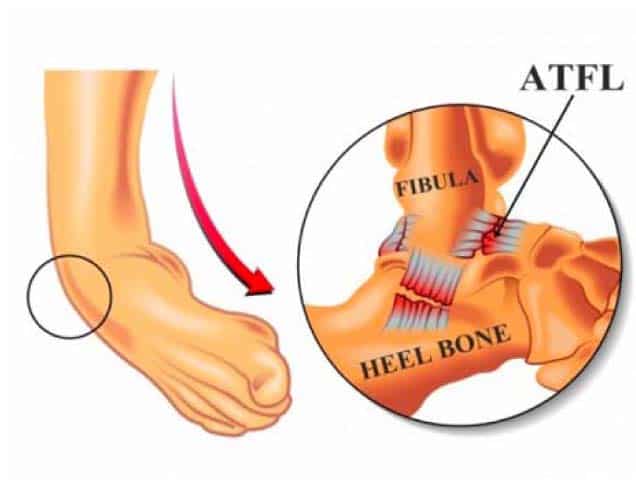
What is the best way to rehab a grade 3 ankle sprain? A grade 3 ankle sprain is a severe sprain that demands a structured treatment and rehabilitation plan to restore the ankle joint. This article explains what a grade 3 ankle injury involves, how it differs from other foot and ankle injuries, and why early imaging and guided rehab matter. Drawing on current sports medicine research, we outline safe rehabilitation exercises and strategies to prevent chronic ankle instability and future ankle sprains.
Understanding Grade 3 Ankle Sprains
A grade 3 sprain represents a complete tear of one or more ankle ligaments, producing substantial ankle instability and marked swelling and pain around the ankle. On examination, the ankle joint is unstable when manipulated, and there is significant tenderness, bruising, and difficulty bearing weight on the affected foot. Research in acute ankle sprain management shows that severe ligament damage leads to impaired proprioception, restricted ankle dorsiflexion, and compensatory gait patterns that can evolve into chronic ankle issues if untreated. Early, structured rehabilitation focusing on range of motion, controlled ankle eversion and inversion, and progressive loading is critical to protect the injured ligament and restore function.
What is a Grade 3 Ankle Sprain?
A grade 3 ankle sprain means a complete tear of the ankle ligaments supporting the lateral ankle or other regions, leading to substantial instability on examination. Clinically, a healthcare professional will identify pronounced swelling and pain, severe tenderness around the ankle, and inability to bear weight due to a highly painful, unstable ankle and foot. Because the ligament is fully torn, a grade 3 ankle presents with significant bruising, large effusion, and pain with weightbearing and ankle dorsiflexion or inversion/eversion testing. This severe sprain takes the longest to rehabilitate and requires a carefully staged treatment plan to prevent chronic ankle instability and protect the injured ankle during early healing.
How is a Grade 3 Sprain Different from other sprains?
Compared to a grade 1 or grade 2 sprain, a grade 3 ankle injury requires longer rehabilitation and closer monitoring by a physical therapist. Physical therapy for a grade 3 sprain may extend up to 12 weeks, with early immobilization often advised to limit overstretching of healing tissues and reduce ankle instability. A walking boot and crutch use are commonly recommended initially to offload the foot or ankle, especially after a lateral ankle sprain or high ankle sprain. Rehab exercises progress more cautiously than with a grade 2 sprain, integrating proprioceptive training, strengthening exercises, and controlled range of motion to restore the ankle and foot safely and avoid chronic ankle problems.
First Step – Why You Should Get an X-Ray
After an acute ankle injury, a healthcare professional often uses the Ottawa Ankle Rules to decide whether X-rays are needed to rule out a fracture. If there is bone tenderness at specific sites or if you cannot walk four steps, imaging is warranted. Severe ankle sprains can mimic fractures with similar pain and swelling, so evaluating the ankle and foot with X-ray helps confirm the diagnosis and guide the treatment plan. When weightbearing is difficult or the foot shows focal bony tenderness, additional tests may be required before starting rehabilitation.
| Finding | Implication |
|---|---|
| Bone tenderness at lateral/medial malleolus, navicular, or base of 5th metatarsal | X-ray indicated to assess for fracture |
| Inability to walk four steps | X-ray indicated to confirm diagnosis |
| Severe pain and swelling resembling fracture | X-ray helps distinguish sprain vs. fracture |
| Difficulty weightbearing or focal bony tenderness | Additional tests may be needed before rehabilitation |
Rehab Foundations and Why HEM Ankle Rehab Excels
Evidence-based rehabilitation for a grade 3 ankle focuses on restoring range of motion, neuromuscular control, and strength while minimizing stress to the injured ligament. Programs like HEM Ankle Rehab provide a clear progression of rehabilitation exercises, from gentle mobility exercises to targeted strengthening and balance work that addresses ankle eversion, inversion, and ankle dorsiflexion.
Structured rehab reduces time to recovery and lowers recurrence of acute ankle sprain by improving proprioception and dynamic stability around the ankle. HEM’s at-home system helps you perform safe rehab exercises daily, improving strength in your ankle and reducing the risk of chronic ankle instability.
Key Benefits and Cautions for Early Rehab
Initiating guided rehab soon after a grade 3 ankle sprain supports collagen alignment in healing ankle ligaments and maintains mobility in the ankle joint and surrounding foot and ankle structures. Benefits include faster return to function and lower rates of future sprains. However, avoid aggressive loading too early; excessive inversion or eversion stress can delay healing of the injured ligament. Use a crutch or boot as advised, progress gradually, and monitor pain and swelling as indicators of tolerance. A physical therapist or programs like HEM Ankle Rehab can tailor progression, ensuring treatment and rehabilitation match tissue healing timelines and reduce the risk of chronic ankle instability.
The Importance of Rehabilitation
Rehabilitation is essential after any ankle sprain, from grade 1 to a grade 3 sprain, because it restores range of motion, strength, and neuromuscular control around the ankle joint. A systematic review by Wikstrom et al. (2021) reported strong evidence that a previous lateral ankle sprain increases the risk of a subsequent injury, underscoring why structured rehab is nonnegotiable. Without a progressive treatment plan that includes appropriate rehabilitation exercises and supervised rehab exercises, lingering ankle instability and chronic ankle symptoms can develop. Programs like HEM Ankle Rehab offer a clear path to rebuild strength in your ankle with targeted mobility, balance, and strengthening exercises tailored to the affected foot. Guided physical therapy or high-quality at-home rehab reduces future ankle sprains in both athletic and daily activities.
Benefits of Early Rehabilitation for Grade 3 Ankle Sprains
For a grade 3 ankle or severe sprain, early, guided rehabilitation stabilizes the ankle and foot by preserving range of motion while safeguarding healing ankle ligaments. Initiating rehab with controlled ankle dorsiflexion, gentle inversion and eversion arcs, and progressive loading limits stiffness and improves proprioception in the foot and ankle. Evidence in sports medicine shows early activation enhances collagen alignment and reduces time to return to activity compared with delayed care. Using a crutch or protective support initially can offload the injured ankle as you begin structured rehabilitation exercises. HEM Ankle Rehab sequences mobility, balance, and strengthening exercises so the injured ligament is challenged safely, helping the healthcare professional’s treatment plan translate into daily, consistent progress and fewer future ankle sprains.
How Rehabilitation Minimizes Long-term Damage
Rehabilitation prevents the slide from an acute ankle sprain to chronic ankle instability by restoring strength, balance, and motor control in the ankle and foot. Without proper rehab, a grade 3 sprain can lead to recurrent injuries and chronic problems. Recurrent lateral ankle sprain episodes are linked to long-term problems, including chronic ankle pain, arthritis, and instability that impair sport and work. A structured plan emphasizes ankle eversion and inversion control, single-leg balance, and progressive strengthening exercises targeted to the lateral ankle and supporting musculature. By steadily improving range of motion and neuromuscular patterns in the foot or ankle, programs like HEM Ankle Rehab help protect the injured ligament, reduce pain and swelling, and preserve function over the long term.
Expert Insights on Effective Rehab Techniques
Expert physical therapy emphasizes staged progressions: restore mobility, re-educate stability, then build power and endurance for the demands of life and sport. A physical therapist will help you regain ankle mobility, strength, and balance to decrease the risk of another injury. Here is how the process typically unfolds:
- Early phases: Use the ankle alphabet, isometrics, and controlled range of motion for dorsiflexion, inversion, and eversion to protect the injured ligament.
- Phase 3: Add more sports-specific or work-specific rehabilitation, integrating cutting, hopping, and directional changes to challenge the lateral ankle safely.
- Post-surgical refinement: After surgery for complex foot and ankle injuries, additional physical therapy refines movement quality and strengthens weak muscles around the ankle.
- At-home support: HEM Ankle Rehab mirrors these evidence-based phases at home, guiding rehab exercises that fit your treatment plan and reduce recurrence after a grade 3 sprain.
How Much Rest for a Grade 3 Ankle Sprain
With a grade 3 sprain, some initial protection is essential, but prolonged inactivity can delay rehabilitation and feed chronic ankle instability. Current sports medicine research supports brief unloading with a boot or crutch during the acute ankle phase to protect the injured ligament, followed by early, guided movement to preserve range of motion and neuromuscular control around the ankle joint. Gentle ankle dorsiflexion, inversion, and eversion within pain-free limits reduce stiffness and help organize collagen in healing ankle ligaments.
An evidence-based treatment plan progresses weightbearing as tolerated and introduces targeted strengthening exercises to rebuild strength in your ankle without aggravating swelling and pain. Programs like HEM Ankle Rehab provide an at-home framework that balances protection with safe activity so the ankle and foot recover efficiently.
Why Some Rest is Great, But Too much C Lead to Weakness
Short-term rest limits mechanical stress on a severe sprain, reducing pain and swelling while protecting the affected foot. Yet excessive rest leads to deconditioning and higher re-injury risk. Studies show that early, tolerable motion improves range of motion and mitigates ankle instability compared with immobilization alone. A physical therapist will typically allow gentle ankle alphabet drills and controlled eversion and inversion arcs soon after a grade 3 ankle injury, alongside progressive loading as symptoms allow. This balanced approach prevents weakness and stiffness, maintains circulation, and supports efficient healing of the injured ligament. HEM Ankle Rehab structures these early rehab exercises safely at home to accelerate functional recovery.
How Much Rest is Too Much?
Complete rest is rarely necessary beyond the first 1–3 days. During the first 1–3 days, protect the foot or ankle with relative rest and support, but do not avoid all movement if basic motions are comfortable. Early weightbearing as tolerated and gentle rehabilitation exercises keep the ankle joint from stiffening and help the lateral ankle muscles maintain activation. A simple rule of thumb: if walking or specific rehab exercises significantly increase pain and swelling, scale back the intensity or duration. Use a boot or crutch temporarily if needed while you reintroduce motion and light strengthening exercises. HEM Ankle Rehab offers stepwise progressions that respect symptoms and guide safe loading for a grade 3 sprain.
When Should You Start a rehab Program for a Grade 3 Sprain?
Begin structured rehab as soon as pain allows protected movement—often within a few days under guidance from a healthcare professional. This staged approach supports a faster return to activity and fewer future ankle sprains, progressing safely as tenderness and swelling decrease.
- Phase 1: Emphasize protection and early weightbearing as tolerated to safeguard the injured ankle while maintaining gentle range of motion.
- Phase 2: Begin early rehabilitation or physical therapy to restore ankle dorsiflexion, controlled inversion and eversion, and introduce light strengthening exercises to reduce ankle instability.
- Progression: Advance to balance drills and functional tasks that safely challenge the lateral ankle as symptoms improve.
HEM Ankle Rehab mirrors these phases at home, providing clear rehab exercises and progressions tailored to a grade 3 ankle.
Warnings and Considerations in Ankle Rehab
Successful rehabilitation after an ankle sprain hinges on consistency, graded loading, and protecting healing ligaments while restoring range of motion and strength. Sports medicine research shows that incomplete rehab is a leading driver of chronic ankle instability, especially after a grade 3 sprain where the ligament has fully torn. Skipping phases or abandoning strengthening exercises too soon can leave the ankle joint weak, impair proprioception, and raise the risk of future ankle sprains.
A structured treatment plan—such as HEM Ankle Rehab—progresses mobility, balance, and power safely for the injured ankle while tracking pain and swelling as guideposts. Use supports like a crutch briefly if needed, but continue supervised rehab exercises to rebuild strength in your ankle and control inversion and eversion loads.
Common Mistakes to Avoid During Rehabilitation
The most common error is stopping rehabilitation early, which allows the injured ligament to remain weak and fosters chronic ankle instability. A grade 3 ankle sprain requires more than rest; it needs staged rehabilitation exercises to restore ankle dorsiflexion, controlled eversion and inversion, and neuromuscular control around the ankle. Other pitfalls include pushing through sharp tenderness that spikes pain and swelling, skipping balance and proprioception work for the lateral ankle, and neglecting the calf, peroneal, and intrinsic foot and ankle musculature. Avoid returning to sport without meeting single-leg stability milestones. Programs like HEM Ankle Rehab counter these mistakes with clear rehab exercises and progressions that gradually challenge the ankle joint and foot or ankle while preventing overload of the injured ligament.
Long-term Care and Monitoring for Ankle Recovery
After completing physical therapy or an at-home program like HEM Ankle Rehab, continue maintenance rehab exercises to preserve range of motion, strength, and balance around the ankle. Long-term studies show general physical activity often drops after foot and ankle injuries, so set concrete goals such as 30 minutes of dedicated walking per day as symptoms allow.