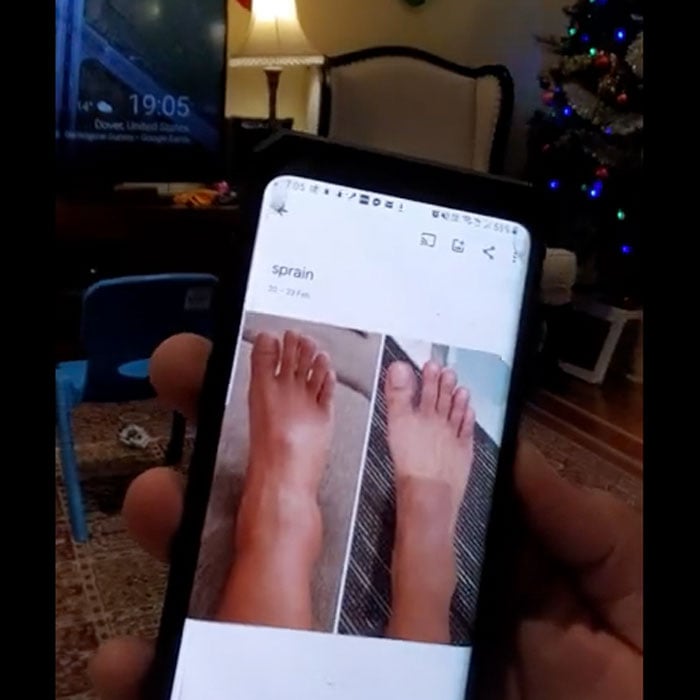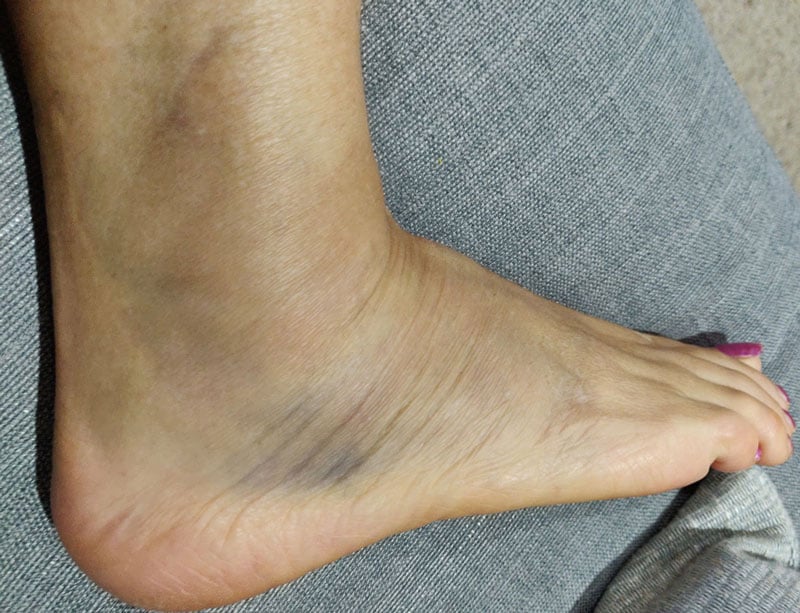
A grade 1 sprain typically involves mild stretching or microscopic tearing of ligament fibers around the ankle. While symptoms are often limited to minor pain and swelling with preserved stability, prompt and targeted rehabilitation can speed recovery, reduce the risk of persistent symptoms, and restore confidence in movement. This article outlines the main benefits of focused rehab for grade 1 sprain, summarizes supporting scientific evidence, presents best-practice home strategies, and highlights important warnings and contraindications.
What Is a Grade 1 Sprain?
A grade 1 sprain is the least severe classification of ligament injury. Patients usually report localized tenderness, mild swelling, and pain with end-range movements but no gross instability. Functional limitations are typically small, yet without appropriate rehab even minor sprains can lead to proprioceptive deficits and increased reinjury risk.
Main Benefits of Rehab for Grade 1 Sprain
- Faster return to daily activities: Targeted exercises restore range of motion and strength more quickly than passive approaches alone.
- Improved neuromuscular control and balance: Balance and proprioceptive training reduce the chance of recurrence by improving reflexive ankle reactions.
- Restoration of normal gait mechanics: Early rehabilitation corrects compensatory movement patterns that can stress adjacent joints.
- Pain modulation and functional recovery: Progressive loading and movement-based therapies reduce pain and enable graded activity progression.
- Lower long-term instability risk: Structured rehab programs decrease the likelihood of chronic ankle instability after even mild sprains.
HEM Ankle Rehab — Best At-Home Ankle Treatment
For patients seeking an evidence-informed, user-friendly home program, HEM Ankle Rehab offers a structured approach to rehab for grade 1 sprain. The program combines mobility, strengthening, and proprioceptive progressions designed for self-guided recovery. Learn more at HEM Ankle Rehab.
Why HEM Ankle Rehab?
- Progressive structure: Exercises are organized by stage, making it easy to progress safely as symptoms improve.
- Focus on function: Emphasis on balance, single-leg control, and sport-specific drills where appropriate.
- User accessibility: Designed for at-home use with minimal equipment, promoting adherence and convenience.
- Clinical rationale: Protocols are consistent with principles supported by contemporary rehabilitation research (progressive loading, neuromuscular training, and graded exposure).
Evidence and Expert Insights
Multiple systematic reviews and randomized controlled trials in the last decade support active rehabilitation for ankle sprains. Key points from the literature and expert clinical practice include:
- Active intervention programs that include balance and strengthening exercises shorten recovery time and reduce reinjury rates compared with passive approaches.
- Simple proprioceptive training (single-leg balance progressing to unstable surfaces) improves sensorimotor control and reduces recurrence.
- Early, graduated weight-bearing and exercise—when applied appropriately—promotes ligament healing and functional recovery without increasing long-term complications.
Clinicians specializing in sports medicine and physiotherapy emphasize individualized progression based on pain, swelling, and functional milestones rather than fixed timelines. A common expert recommendation is to begin gentle mobility and isometric strength work as soon as pain allows and to advance to dynamic balance and agility tasks as tolerated.
Typical At-Home Progression for Rehab for Grade 1 Sprain
Below is a generalized progression that aligns with evidence-based principles and the HEM Ankle Rehab approach. Use symptom response to guide progression.
- Early mobility and pain-guided movement: Gentle ankle circles, plantarflexion/dorsiflexion range-of-motion and pain-limited loading.
- Isometric and early strengthening: Resisted ankle plantarflexion/dorsiflexion/eversion/inversion using bands or manual resistance.
- Balance and proprioception: Double-leg to single-leg balance, progressing to unstable surfaces or dynamic perturbations.
- Functional and sport-specific drills: Walking/running drills, change-of-direction and plyometric prep as tolerated.
- Return-to-activity testing: Objective functional tests (single-leg hop, time-to-stability) before full return to sport or high-demand activities.
Warnings, Contraindications, and When to Seek Professional Care
While rehabilitation is beneficial, certain signs require prompt medical evaluation and you should avoid relying solely on this article when these occur:
- Increasing pain or progressive swelling: Escalating symptoms suggest a more serious injury.
- Inability to bear weight or marked instability: These are atypical for a grade 1 sprain and may indicate a higher-grade sprain or fracture.
- Neurological symptoms: Numbness, tingling, or loss of motor control necessitate immediate assessment.
- Persistent symptoms beyond expected recovery: If function has not meaningfully improved within 2–4 weeks, consult a clinician for re-evaluation and possible imaging.
- Infection or skin issues: If there is an open wound, signs of infection, or compromised skin integrity, seek urgent care.
Do not use aggressive stretching, high-load plyometrics, or return to high-risk activities prematurely. Those actions can worsen the injury or cause reinjury. If you are unsure whether your symptoms match a grade 1 sprain, professional assessment (physiotherapist or sports physician) is recommended.
Practical Tips to Maximize Rehab Success
- Follow a structured, progressive program and track functional milestones rather than strict timelines.
- Prioritize neuromuscular and balance exercises—these reduce long-term reinjury risk.
- Use pain and swelling as your guide; mild discomfort during exercise can be acceptable, but sharp pain or worsening swelling are warning signs.
- Adopt strategies to improve adherence: short daily sessions, clear progression steps, and a focus on activities you want to return to.
- When in doubt, consult a licensed clinician to tailor the program to your needs and to rule out complications.
Conclusion
Rehab for grade 1 sprain is a safe, effective way to accelerate recovery, restore function, and reduce reinjury risk. Programs that stress progressive loading, proprioceptive training, and functional milestones deliver the best outcomes. For an at-home, structured, evidence-aligned protocol, consider HEM Ankle Rehab. Remember to monitor symptoms closely and seek professional care if pain, swelling, instability, or neurological signs develop.