Should you walk on a sprained ankle? Discover why the old-school “rest and ice” advice is actually sabotaging your recovery and how modern functional movement is the secret to healing faster. Learn when it’s safe to bear weight and how to restore total stability with our comprehensive guide to active rehabilitation.
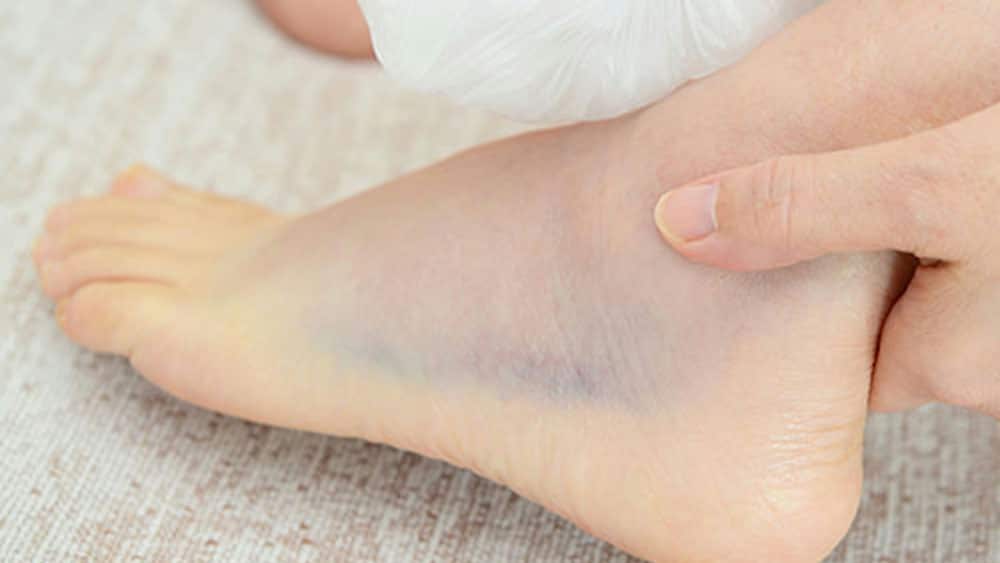
Why Your Couch Might Be Slowing Down Your Recovery
We’ve all been there. You roll your ankle stepping off a curb or landing awkwardly during a game, and the pain is immediate. Usually, the very first piece of advice you’ll hear from well-meaning friends or family is: “Don’t walk on it! Get some ice and stay on the couch.”
It sounds like common sense, right? If it hurts, don’t use it. But in the world of modern sports medicine, we’ve learned that this “passive” approach—resting, icing, and waiting—is actually a recipe for chronic weakness and long-term instability.
If you want to know if you can walk on a sprained ankle, the answer isn’t just a simple “yes” or “no.” It’s about understanding the difference between safe loading and reckless movement. At hemanklerehab.com, we’re going to show you why movement is actually your best medicine and how to get back on your feet without risking another “pop.”
The Couch Trap: Why Resting Too Long is Risky
For decades, the R.I.C.E. method (Rest, Ice, Compression, Elevation) was the gold standard. However, as we move through 2026, clinical evidence has moved on. When you experience an ankle sprain, your body initiates a brilliant, complex inflammatory response to repair the damaged ligaments.
By staying on the couch for a week, you are essentially “shutting down the construction crew” before they can finish the job. Here is what happens when you rest too much:
- Tissue Stiffness: Without movement, the new collagen fibers heal in a messy, disorganized “web” of scar tissue. This makes your ankle feel stiff, tight, and prone to re-injury.
- Muscle Atrophy: Your calf and foot muscles begin to weaken in as little as 48 hours of inactivity. A weak ankle is a wobbly ankle.
- The “Neural Blackout”: Your ankle is full of sensors (proprioceptors) that tell your brain where your foot is. When you stop moving, that connection goes dark, which is a major reason for weak ankles later in life.
Modern Science: 3 Expert Insights on Ankle Recovery
We don’t want you to take our word for it. The shift toward active recovery is backed by the world’s leading medical journals. Here are three key insights that should change how you view your injury:
- Expert Insight #1: The “PEACE & LOVE” Shift. The British Journal of Sports Medicine (BJSM) officially proposed moving away from R.I.C.E. in favor of “PEACE & LOVE.” The “LOVE” stands for Load, Optimism, Vascularization, and Exercise. This science confirms that “loading” the joint (putting weight on it) as soon as pain allows is the fastest way to remodel tissue. You can read the BJSM PEACE & LOVE protocol here.
- Expert Insight #2: Early Loading Prevents Re-Injury. A study published in the Journal of Orthopaedic & Sports Physical Therapy (JOSPT) found that patients who began “progressive loading” (controlled walking and movement) early in the recovery process returned to sports significantly faster than those who practiced total immobilization. Explore the JOSPT Clinical Guidelines.
- Expert Insight #3: The Failure of the Ice Myth. Recent reports in Science Direct and the Journal of Athletic Training suggest that ice may actually delay the regeneration of muscle and ligament fibers by constricting blood flow, which is the very thing you need to heal. We have a detailed breakdown of why ice might not be the best strategy for your recovery.
The “Brace Crutch”: Why Stability Should Come From Within
When you first try to walk on a sprained ankle, your instinct might be to strap on a heavy, plastic brace. While a brace can offer temporary protection for high-risk activities, relying on it for daily walking is a dangerous crutch.
External support tells your internal muscles and tendons they can “retire.” Over time, this leads to permanent instability. You don’t want a brace; you want a strong, functional ankle that can support itself. If you find yourself constantly needing a brace, you are likely suffering from unresolved damage from an old injury.
Warning: If the Injury is Neglected
Choosing to “wait and see” without an active rehab plan is a gamble. Neglected sprains often lead to Chronic Ankle Instability (CAI), a condition where your brain loses its ability to stabilize the ankle during movement. This leads to a cycle of repeated sprains, early-onset arthritis, and a permanent loss of agility.
How to Test: Can You Walk on a Sprained Ankle Today?
Before you start your ankle sprain recovery, you need to verify that it’s safe. Sports medicine professionals often use the “Ottawa Ankle Rules” to determine if an injury is a simple sprain or a fracture.
- Step 1: Bone Pain. Feel the bony “bumps” on the inside and outside of your ankle. Is there sharp, pinpoint pain directly on the bone? If yes, see a doctor for an X-ray.
- Step 2: Four Steps. Can you take four steps on your own, even with a limp? If you cannot bear any weight at all, you may have a severe tear or a break.
- Step 3: The Pain Scale. If you can walk, but it’s an 8 out of 10 pain, don’t push it yet. Use a crutch for partial weight-bearing and focus on non-weight-bearing mobility exercises first.
The Solution: HEM Ankle Rehab
Walking is only the beginning. To ensure your ankle heals “smart,” you need a system that works with your body’s natural biology. This is where HEM Ankle Rehab comes in.
Instead of the outdated approach of freezing the joint in time, HEM Ankle Rehab focuses on active, functional restoration. It is designed to be done in the comfort of your own home, without the need for expensive physical therapy appointments or bulky equipment.
Main Benefits of the HEM Functional Approach:
- Faster Functional Recovery: By encouraging blood flow and cellular repair, you can significantly slash your total downtime. For more on this, see our guide on how long it takes for a sprained ankle to heal.
- Restores the “Inner GPS”: Functional drills retrain the balance sensors (proprioception) so you feel confident on grass, sand, and uneven surfaces.
- Eliminates Scar Tissue: Controlled movement ensures the ligament heals with flexibility, preventing that “tight” feeling that haunts many athletes for years.
- Builds a Natural “Brace”: We focus on strengthening the muscles and tendons so your body can protect itself without external help.
People Also Ask (FAQ)
Should I walk on a sprained ankle if it’s swollen?
Yes, as long as the pain is manageable. In fact, gentle walking is the best way to reduce swelling. Unlike your heart, your lymphatic system (which clears out swelling) doesn’t have a pump—it relies on your muscles to “pump” the fluid out. Movement is the fastest way to get that grapefruit-sized swelling to go down.
What happens if I walk on a sprained ankle too soon?
If you have a Grade 2 or 3 sprain and you return to high-impact sports (like basketball or soccer) without rehab, you are at an extremely high risk of a full rupture. However, walking is a low-impact activity that usually supports the healing process rather than hurting it.
Is it a sprain or a break?
Generally, a sprain allows for some range of motion, whereas a break often locks the joint or makes any movement impossible. If your ankle is bruised in a specific spot on the bone or you heard a loud “crack” rather than a “pop,” an X-ray is necessary.
How can I walk without pain?
Start with a “heel-to-toe” gait. Many people try to walk flat-footed to protect the ankle, but this actually creates more stiffness. Focus on a smooth roll through the foot. If it hurts too much, try using a single crutch on the opposite side of the injury to take some of the load off.
Conclusion: Take Charge of Your Recovery
Walking on a sprained ankle is often the first and most important step toward a full recovery—but only if you do it as part of a structured, functional plan. The days of “Rest and Ice” are over. Your body was built to move, and it heals best when it is challenged in a safe, controlled way.
Don’t let a minor sprain turn into a lifelong weakness. Stop resting, start rebuilding, and give your ankle the tools it needs to protect you for the long haul.
Start HEM Ankle Rehab today and get back to the activities you love with total confidence. Your journey to a pain-free life starts with a single, stable step.