Ankle Sprains: What to Know and How to Heal… If you’ve ever twisted your foot landing awkwardly, you’ve probably experienced an ankle sprain. It’s one of the most common foot and ankle injuries and can range from a mild sprain to a severe sprain that impacts the bones in your ankle and the ligaments that support the ankle. This article breaks down what happens with an ankle sprain, what science says about recovery, and practical, expert-backed steps you can take at home to avoid chronic ankle problems and get back to activity safely.
What is an ankle sprain?
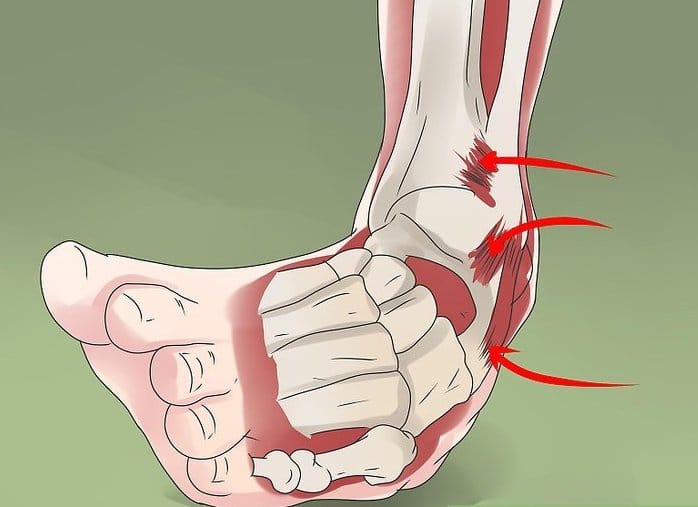
An ankle sprain occurs when the ankle ligaments are stretched or torn. The ankle joint is stabilized by several ankle ligaments, including lateral ankle ligaments on the outside and medial ankle structures on the inside. A high ankle sprain involves different ligaments higher up between the bones of the lower leg and is often more serious than common lateral ankle sprains. Sprains usually happen when the foot twists or rolls, stressing the lateral aspect of the ankle or the medial ankle depending on direction.
Classification and severity
Clinicians often classify injuries as mild sprains, grade II moderate sprains, or grade III sprain (severe sprain) depending on the degree of ligament damage and instability of the ankle. An acute ankle sprain may be accompanied by swelling, bruising, and pain. In some cases a severe ankle sprain or an ankle fracture can occur together; the ottawa ankle and foot rules help decide when imaging is needed.
Why rehabilitation matters more than passive strategies
It’s tempting to keep an injured ankle immobilized or to rely on ankle braces forever, but that approach has downsides. Recent research shows that prolonged inactivity or over-reliance on external support can lead to chronic ankle instability and recurrent ankle sprains. Ankle braces can protect you short-term, but using them as a long-term crutch may make the ligaments and muscles around the ankle weaker and reduce the stability of the ankle joint over time.
Instead, targeted rehabilitation—specifically progressive, strength and balance-focused programs—has the strongest evidence for improving recovery time, reducing the risk for future ankle sprains, and restoring stability of the ankle joint. Physical therapy that emphasizes controlled movement, proprioception, and strengthening of the muscles that protect the ankle provides better long-term outcomes than passive approaches.
Expert insight
Multiple randomized trials and meta-analyses in the last decade support active rehabilitation for acute lateral ankle sprain and chronic ankle instability. Studies show that programs combining neuromuscular training, balance work, and progressive resistance reduce recurrence of lateral ligament injuries and help patients with chronic ankle sprain regain confidence and function.
Key components of effective ankle rehab
- Early controlled movement to restore range of motion and prevent stiffness around the ankle joint.
- Progressive strength training for the muscles around the ankle and foot to protect the ankle ligaments and improve stability.
- Balance and proprioception exercises to reduce lateral ankle instability and risk for recurrent ankle sprains.
- Gradual return-to-sport or return-to-activity plans that respect recovery time and the classification of ankle injury.
Physical therapy programs that integrate these elements help both acute ankle injuries and those dealing with chronic ankle instability.[29] For complex ankle sprains or suspected ankle fracture, see a clinician promptly.
HEM Ankle Rehab: Practical, at-home rehab you can trust
If you want a structured, evidence-informed at-home approach, HEM Ankle Rehab offers a progressive system designed for any type of sprained ankle—from mild sprains and acute lateral ankle sprains to more severe ankle sprain recovery and chronic ankle issues. HEM Ankle Rehab provides exercises that protect the ankle while rebuilding the strength and proprioception that prevent future ankle sprains. Learn more at HEM Ankle Rehab.
Benefits of active rehab vs long-term immobilization or permanent bracing
- Faster return to normal activity and sport compared with inactive management of acute ankle injuries.
- Improved stability of the ankle joint and reduced risk for recurrent ankle sprains and chronic ankle instability.
- Stronger foot and ankle muscles that better protect the lateral ligament sprains and anterolateral ankle concerns.
- Better functional outcomes for both lateral ankle ligament injuries and medial ankle sprain patterns.
Warnings and things to avoid
Be cautious about a few common pitfalls:
- Avoid resting too long. Prolonged inactivity after an injured ankle increases the risk of stiffness, muscle atrophy, and chronic ankle instability. Early, guided movement is important.
- Don’t rely on ankle braces forever. While helpful early on or during return to sport, long-term dependence on ankle braces alone can make the ankle weaker and more unstable over time.
- Watch for signs that suggest more than a simple sprain: severe deformity, inability to bear weight, numbness, or intense pain may indicate an ankle fracture or complex ankle sprain requiring urgent evaluation and imaging per the ottawa ankle and foot rules.
- For recurrent ankle sprains or persistent instability of the ankle, seek targeted physical therapy or specialist care to address underlying issues like lax ligaments or weakness around the ankle and foot.
When to see a professional
If you suspect a severe ankle sprain, an ankle fracture, or if pain and instability persist beyond the expected recovery time, consult a clinician or a foot and ankle specialist. Acute lateral ankle sprain with marked instability, grade III sprain, or complex ankle sprains often need supervised rehabilitation and sometimes surgical referral.
Final takeaways
Ankle sprain management is moving toward active recovery: protect the ankle, but focus on restoring movement, strength, and balance. Avoid long-term immobilization or permanent dependence on ankle braces because they can lead to chronic ankle instability and a higher risk for future ankle sprains. For a practical, research-backed at-home path to recovery, consider programs like HEM Ankle Rehab to rebuild the stability of your ankle joint and reduce the chance of recurrent ankle problems.